In this guide 3 sections
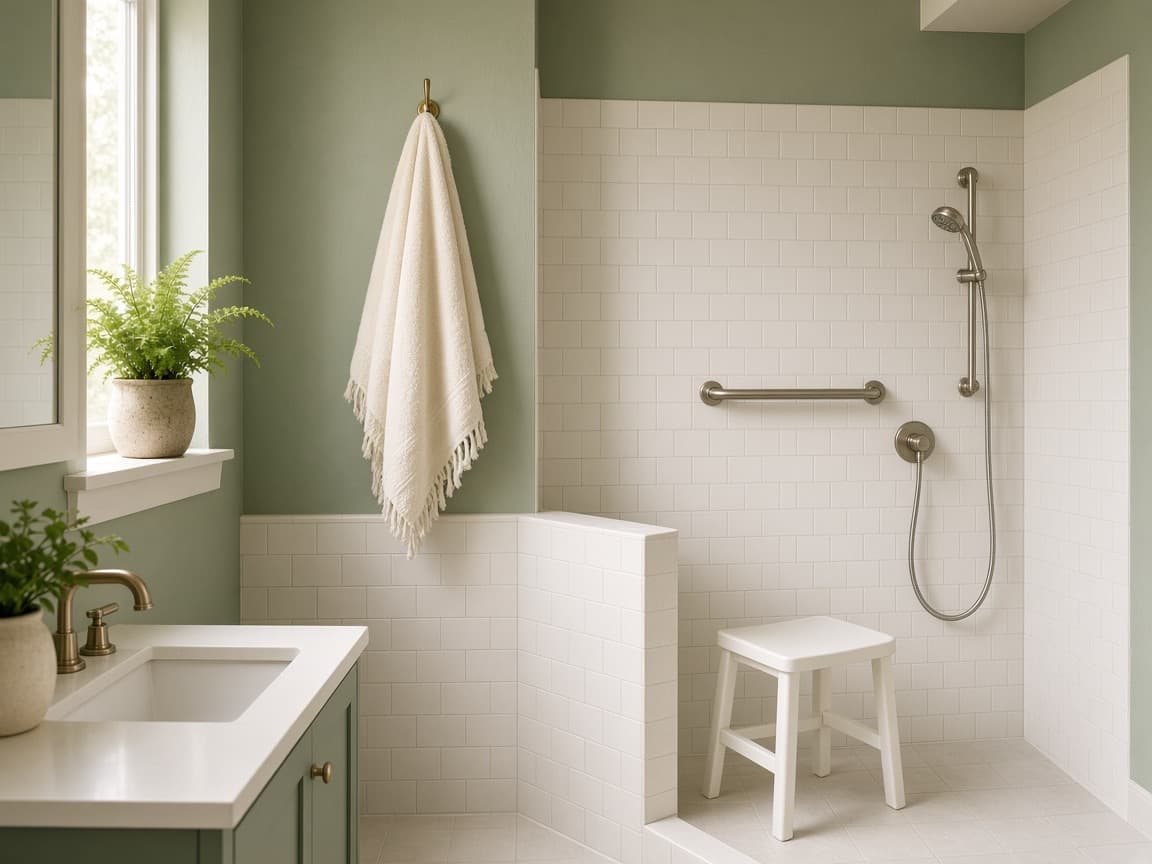
A fall in the bathroom is the most common way an independent older adult stops being one. Grab bars cost $30 and prevent it. Medicare will not pay for them. The rule is frustrating and consistent: Medicare covers equipment, not the house. But there is more help than most families find, and this guide is where it is.
The line Medicare draws
Medicare Part B covers durable medical equipment: items that are medically necessary, prescribed by a doctor, used repeatedly, primarily medical in nature, and appropriate for home use. A grab bar screwed to the wall is, in Medicare’s view, a home improvement anyone might install. A shower chair you can pick up and move is equipment. The distinction is arbitrary at the edges, but it is the one that applies.
Covered and not covered: bathroom and mobility items
Commodes (bedside toilets)
- Not covered by Original Medicare
- Grab bars and safety rails installed on walls
Raised toilet seats that clamp to the bowl (in some cases; ask the supplier)
- Not covered by Original Medicare
- Walk-in tubs and showers
Shower chairs and transfer benches (coverage varies; often not covered as “convenience items”)
- Not covered by Original Medicare
- Ramps, permanent or modular
Hospital beds, trapeze bars, bed rails attached to a hospital bed
- Not covered by Original Medicare
- Stair lifts and elevators
Patient lifts (Hoyer lifts)
- Not covered by Original Medicare
- Widened doorways, lowered counters, lever handles
Walkers, wheelchairs, canes
- Not covered by Original Medicare
- Non-slip flooring, lighting, handheld shower heads
| Generally covered by Medicare Part B | Not covered by Original Medicare |
|---|---|
| Commodes (bedside toilets) | Grab bars and safety rails installed on walls |
| Raised toilet seats that clamp to the bowl (in some cases; ask the supplier) | Walk-in tubs and showers |
| Shower chairs and transfer benches (coverage varies; often not covered as “convenience items”) | Ramps, permanent or modular |
| Hospital beds, trapeze bars, bed rails attached to a hospital bed | Stair lifts and elevators |
| Patient lifts (Hoyer lifts) | Widened doorways, lowered counters, lever handles |
| Walkers, wheelchairs, canes | Non-slip flooring, lighting, handheld shower heads |
Note that even for shower chairs and raised toilet seats, coverage is inconsistent; some are treated as convenience items. Ask the supplier before buying, and ask the doctor to write the order with the medical reason.
Where the money comes from
- Medicaid home and community-based services waivers. Many states cover environmental modifications, including grab bars, ramps and bathroom changes, for eligible people as part of keeping them out of nursing homes. Amounts and rules vary; some states have lifetime caps of several thousand dollars. Ask the state Medicaid agency or Area Agency on Aging about “environmental modifications” or “home accessibility”.
- Medicare Advantage supplemental benefits. Since 2019 plans can offer bathroom safety devices and some home modifications. Not all do, and the benefits are often modest. Check the Evidence of Coverage or call the plan.
- Veterans Affairs. The Home Improvements and Structural Alterations (HISA) grant covers medically necessary modifications for eligible veterans, currently up to $6,800 for service-connected conditions and $2,000 otherwise. Specially Adapted Housing and Special Housing Adaptation grants provide much larger amounts for veterans with qualifying service-connected disabilities. Ask a VA social worker or Veterans Service Officer.
- Area Agencies on Aging. Many run or know of minor home repair and modification programs for older adults, sometimes free, sometimes sliding scale. Eldercare Locator, 1-800-677-1116.
- Rebuilding Together and Habitat for Humanity. Both have programs that install grab bars, ramps and safety modifications for low-income older homeowners at no cost, using volunteers.
- USDA Section 504 Home Repair. Grants up to $10,000 for very-low-income homeowners aged 62 and over in rural areas to remove health and safety hazards, and low-interest loans for others.
- State and local programs. Many states, counties and cities have accessibility or aging-in-place programs. 2-1-1 can identify them.
- Occupational therapy. Medicare covers an OT home safety evaluation with a doctor’s referral; it does not pay for the changes, but the written recommendations help with every application above.
- Tax deduction. Modifications made for a medical reason are deductible medical expenses to the extent they do not increase the home’s value, if the family itemizes. Keep the doctor’s letter and receipts.
The cheap, immediate fixes
- Grab bars: $20–$60 each, installed into studs or with proper anchors. A handyman can do a bathroom in an hour. Suction-cup bars are not safe for weight-bearing.
- A handheld shower head and a shower chair or transfer bench.
- A raised toilet seat or a toilet safety frame.
- Non-slip mats inside and outside the tub.
- Night lights along the route from bed to bathroom.
- Remove throw rugs. Tape down cords. Move the bedroom downstairs if stairs are the problem.
- A threshold ramp for a single step, $50–$150.
Questions families ask
Does Medicare pay for grab bars?
No. Original Medicare treats grab bars as home modifications, not medical equipment, and does not cover them. Some Medicare Advantage plans include bathroom safety devices as a supplemental benefit. Medicaid waivers, VA grants and community programs often cover them.
Does Medicare cover a walk-in tub or shower?
No. Walk-in tubs and shower conversions are not covered by Original Medicare under any circumstances. Medicaid waivers in some states and VA grants for eligible veterans may help. Be wary of companies suggesting Medicare will reimburse; it will not.
Does Medicare pay for a wheelchair ramp?
No. Ramps are not covered by Original Medicare. Medicaid HCBS waivers, VA HISA grants, Area Agency on Aging programs, Rebuilding Together and USDA rural repair grants are the usual sources. Modular ramps can also be rented from some medical supply companies.
What bathroom safety items does Medicare cover?
Commodes are covered as durable medical equipment when medically necessary. Coverage for shower chairs, transfer benches and raised toilet seats is inconsistent and often denied as convenience items. Ask the supplier before purchasing and have the doctor document the medical need.
How can a navigator help with home modifications?
By getting the occupational therapy home assessment ordered, identifying which funding sources apply to your parent’s situation, coordinating the Medicaid waiver, VA or community program applications, and connecting you with local installers and volunteer programs.
Was this guide helpful?
Your feedback helps us make the information clearer.
Report an error
For help with your own care, request a free introductory call.
If this is happening to you right now